Fewer GP visits
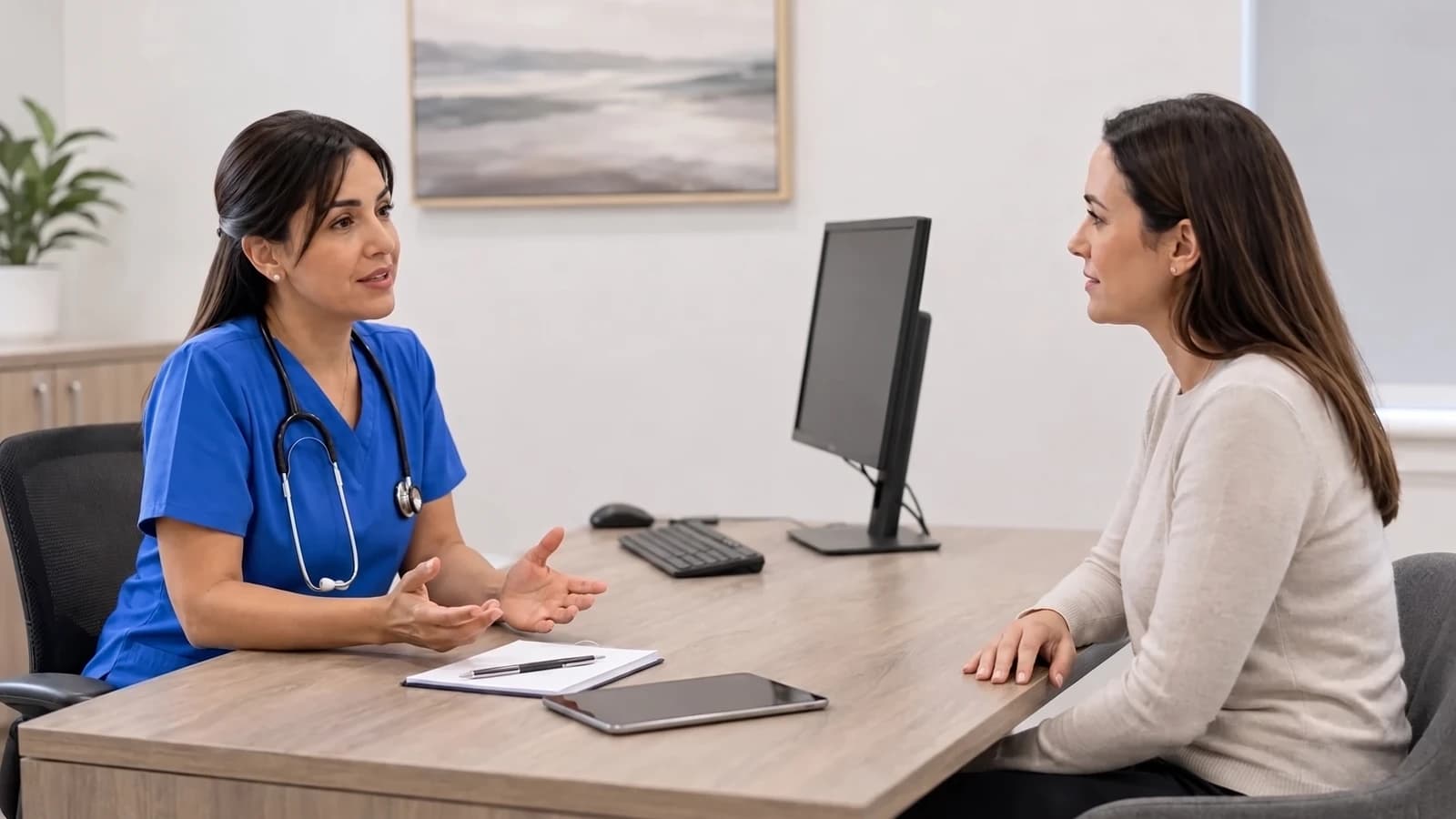
GP visits for nutrition and gut-health conditions fell noticeably across Somerset, which was the point of the platform in the first place.
Self-help webinars built with NHS dietitians in Somerset: reliable answers for patients with gut conditions, and fewer appointments for the teams behind them.


Community dietitians in Somerset were running webinars for patients with gut-related conditions such as coeliac disease, irritable bowel syndrome, reflux, and food allergy. The idea worked well, but the platform behind it was struggling. It had grown out of a rough internal concept just before the pandemic, when every appointment saved really mattered, and it now needed to become a proper public service. After the first discovery sessions we all agreed that the kindest thing was to retire it and start again.
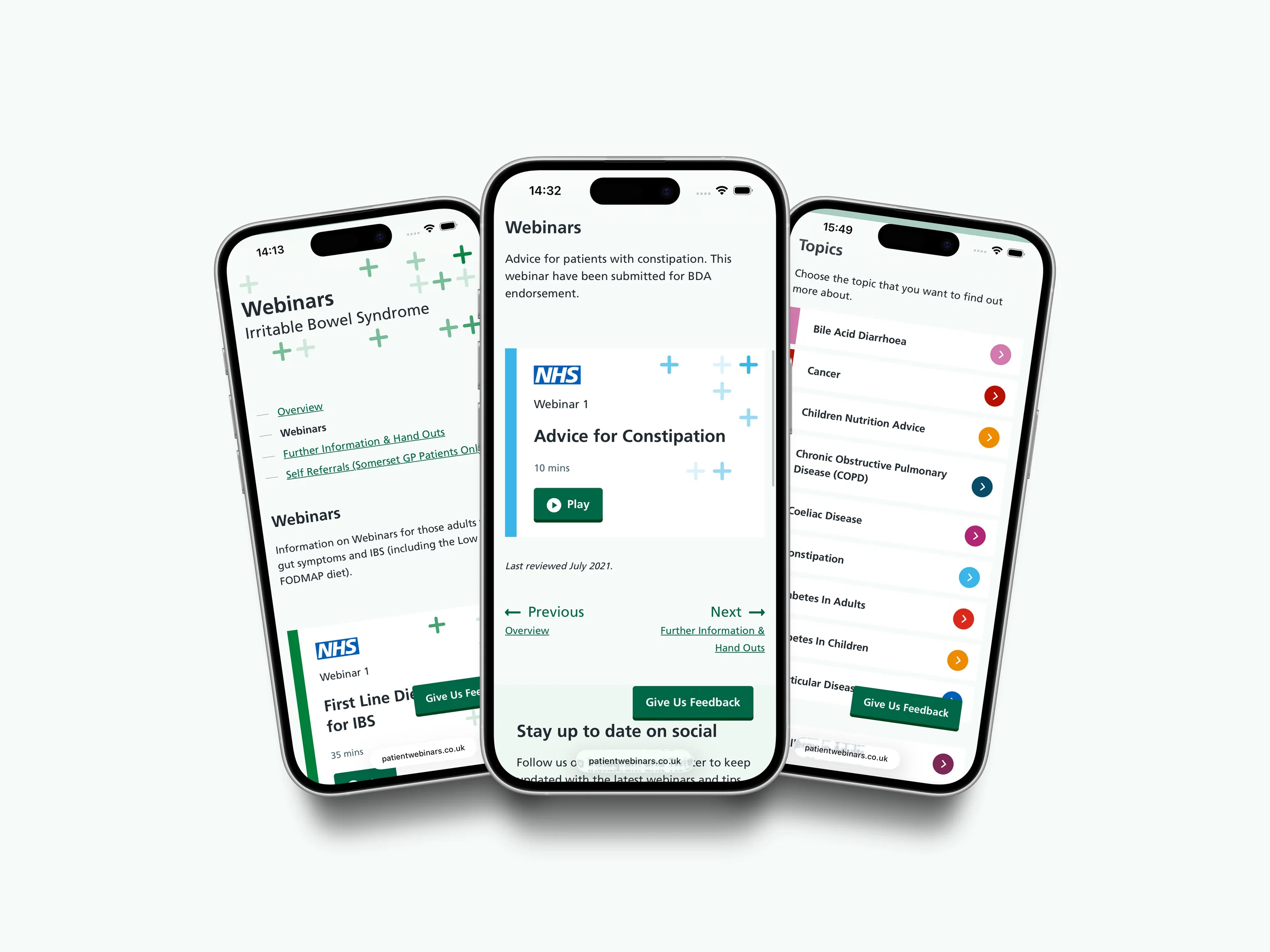
We designed and built the Patient Webinars site in only a few weeks. Dietitians could now add new conditions and publish new webinars without waiting on anyone else. The design system builds on the NHS Service Manual: familiar NHS patterns where trust matters most, and customised components where the service needed a bit of character of its own.
Patients watched, which is never a given with health content. Video watch time rose 51% against the old platform, and post-webinar survey contributions rose 76%, with positive scores of 92% or above. GP visits for nutrition and gut-health conditions fell across Somerset. Built by experts in one county, and now used across the UK and in more than 60 countries.
GP visits for nutrition and gut-health conditions fell noticeably across Somerset, which was the point of the platform in the first place.
Video watch time rose 51% on the previous platform, and everything else moved with it: more survey responses, fewer GP visits, wider reach.
Post-webinar survey contributions rose 76%, with positive scores of 92% or above. A smoother survey flow was one of the main goals of the rebuild, so this one was nice to see.
Twenty-one conditions are live today, coeliac disease and menopause among them, each with its own colour, its own webinars, and the same plain NHS language throughout.
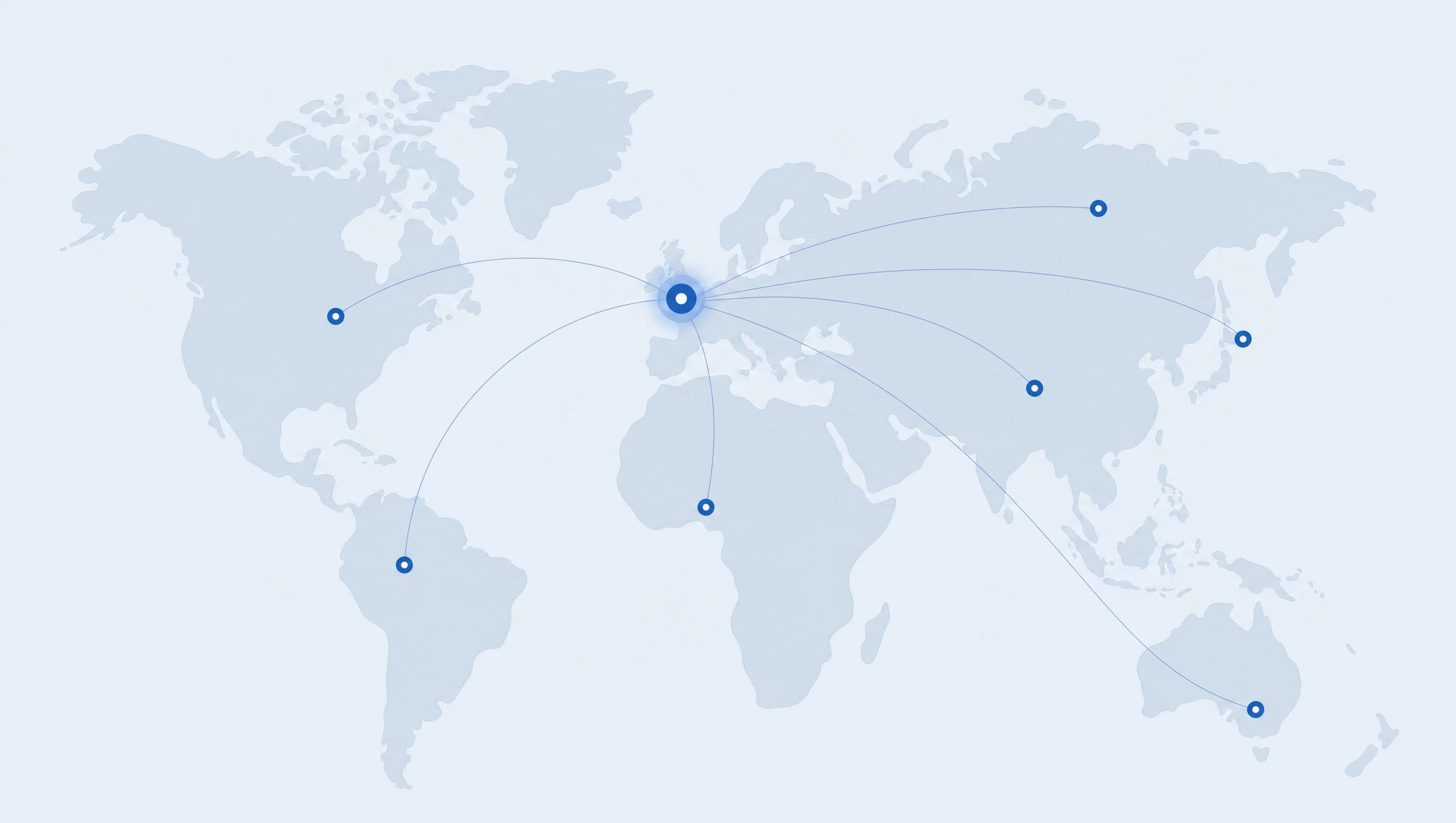
Built with dietitians in Somerset, the service now reaches patients across the UK and in more than 60 countries. It is still live at patientwebinars.co.uk.
Patients often arrive anxious and newly diagnosed, and the page has to vouch for the advice before a clinician can. So we built on the NHS Service Manual, the pattern library behind the NHS's public digital services. Every component reads as NHS, meets the same accessibility bar, and speaks the same plain language patients already know from nhs.uk. Where Patient Webinars needed an identity of its own, we customised the components and allowed it a little more warmth than the main NHS site gives itself.
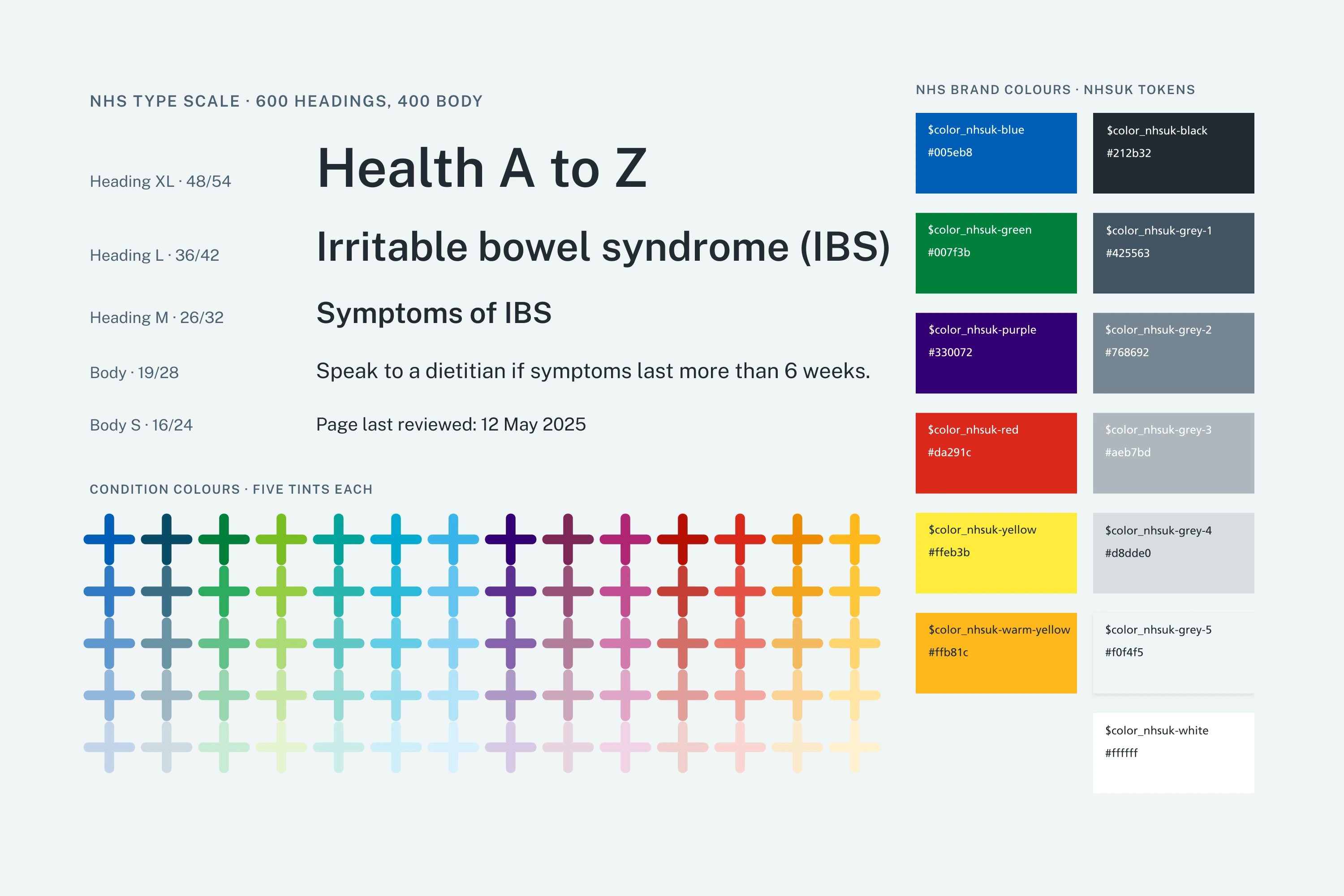
Fig.01 — NHS foundations: the colour palette and type scale every page inherits.

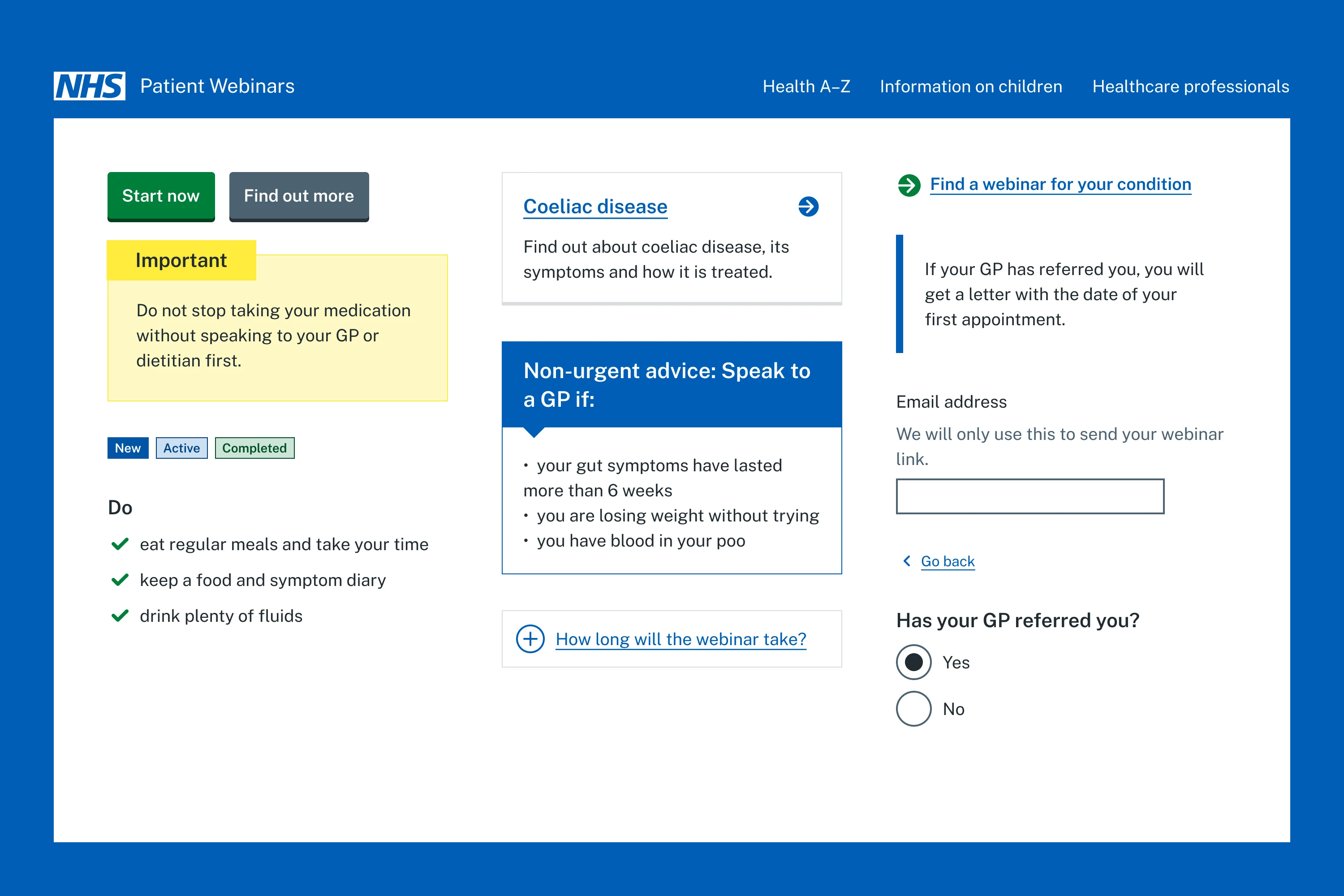
Fig.02 — NHS Service Manual components: the familiar patterns patients already know from nhs.uk.
What Shane and the team created is exceptional and it's been incredible working with such a dedicated, professional and talented team. What they've produced may change the way we work in community dietetics for many years to come, proving that digital healthcare is possible far beyond the pandemic crisis.
Shane led this project at The Idea Bureau, the studio he ran before starting Studio Brio.